🔑 Why Ford Walked Away from Buying Ferrari (Was it the Right Call?)
Welcome to The Business Buying Academy with Sieva Kozinsky. Here's what we have in store for you today:
- Ford's Deal to Buy Ferrari - What Went Wrong
- He Bought a Pallet of Watches and Turned it into $2.4 Million
🔑 Their deal fell apart - so they decided to build instead
In 1963, Ford Motor Company attempted to acquire the iconic Italian car maker Ferrari.
But the deal eventually fell apart.
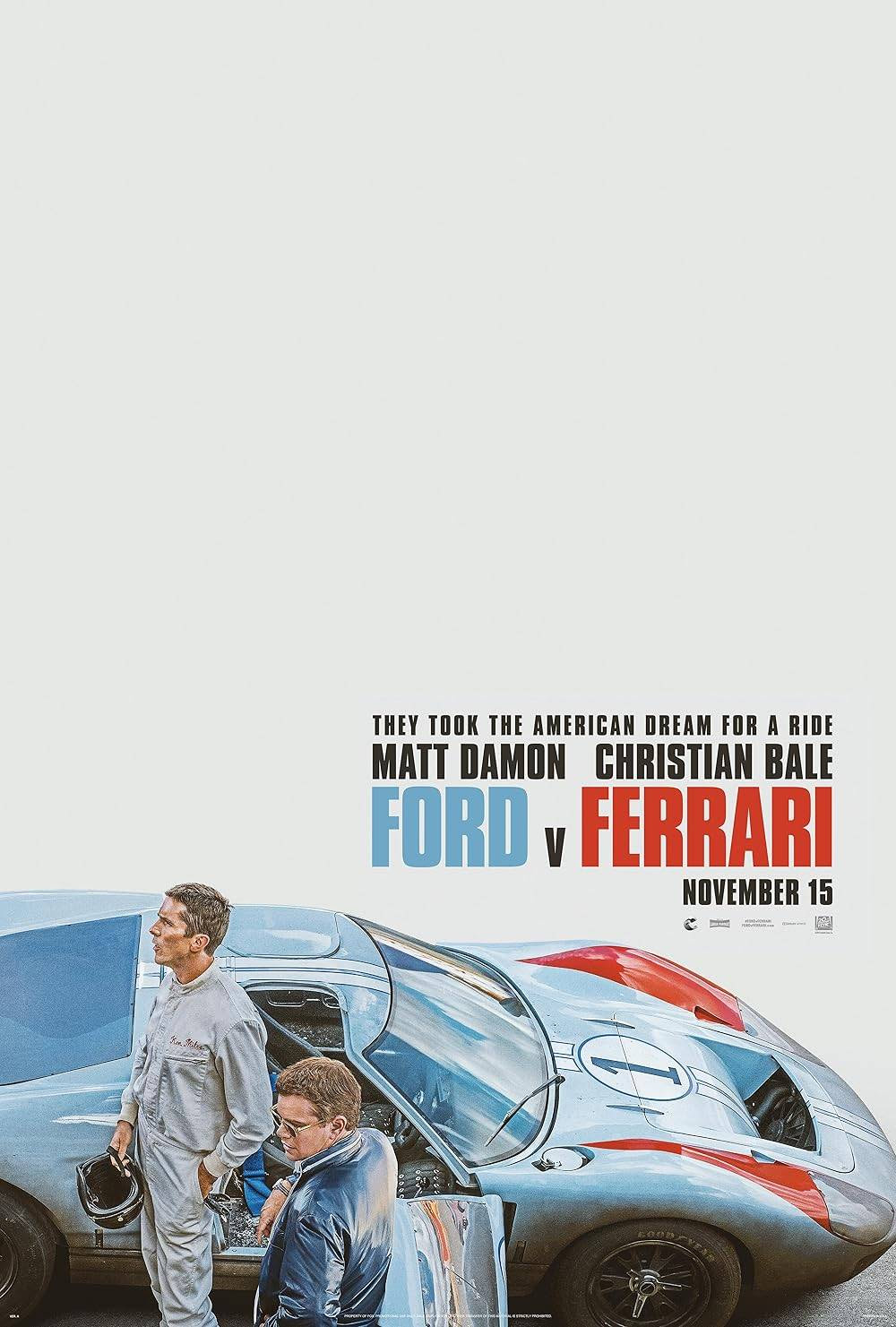
The story sparked one of racing's greatest rivalries, and a 2019 blockbuster movie, Ford v. Ferrari.
For aspiring business buyers, this story shows us the perils of mismatched expectations in negotiations, the high cost of due diligence, and ]the cost of walking away from a deal at the last minute.
The Deal - and what went wrong
Ford, led by CEO Henry Ford II, tried to buy Ferrari to bolster its image and enter the lucrative sports car and racing markets in the post-World War II economic boom.
Ferrari, founded by Enzo Ferrari, was financially strained, with its road car division subsidizing its iconic racing operations.
Negotiations began in early 1963.
Ford offered around $10 million (equivalent to about $105 million today) for the business.
Ford would take over Ferrari's operations, including both road cars and the racing team, with plans to rebadge Ferrari vehicles under the Ford brand.
In exchange, Enzo Ferrari would receive a capital infusion to get Ferrari's debt under control, allowing him to step back from daily management while retaining some influence.
Basically, he'd save his company from potential bankruptcy.
But he'd have to give up his passion (leading the racing team).
Enzo insisted on keeping autonomy over the racing division.
This became a major sticking point.
Failed Negotiations
Talks progressed through the spring of 1963 as Ford execs spent months auditing Ferrari's books and facilities in Italy.
However, the deal collapsed dramatically in May.
The breaking point:
Enzo Ferrari would not agree to cede control of the racing team's budget and decisions to Ford.

Enzo, whose life revolved around racing victories rather than mass production, viewed this as an unacceptable infringement on his legacy.
The fallout was personal and heated: Enzo reportedly insulted Ford's vehicles as "ugly," criticized the company's factory, and even demeaned Henry Ford II by comparing him unfavorably to his grandfather, the original Henry Ford.
Some accounts suggest Enzo may have used the Ford talks as leverage to secure a better offer from Fiat, an Italian rival, increasing Ford's sense of betrayal.
Ford had already invested significant time and resources, estimated at over $3 million in due diligence, only to return empty-handed.
Henry Ford II was "humiliated" and vowed revenge.
Aftermath for Both Companies
The failed deal ignited Ford's determination to beat Ferrari on the track, leading to the development of the legendary GT40 race car. Ford poured another $10 million into a new racing program, hiring Carroll Shelby and driver Ken Miles.

Initial failures at Le Mans in 1964 and 1965 gave way to dominance, with Ford securing four consecutive wins from 1966 to 1969, including 1-2-3 finishes that cemented its high-performance credentials.
This not only boosted Ford's global brand but also spurred innovations like the Mustang, helping the company recover from earlier slumps and appeal to speed-hungry consumers.
Long-term, Ford evolved into a motorsport powerhouse.
In the business buying world, we might say that Ford decided to go with a build strategy instead of buying a business.
For Ferrari, the rejection preserved Enzo's control but left the company financially vulnerabilities.
In 1969, Enzo sold a 50% stake to Fiat (later increased to 80%), injecting needed capital while allowing him to retain racing oversight until his death in 1988.
Ferrari continued its racing success, amassing 41 Le Mans class wins and dominating Formula 1, but the car production business lagged behind the racing success.
The company grew under Fiat's umbrella, maintaining its elite status without a full foreign takeover.
Lessons for Business Buyers
- Acquisitions aren't just about spreadsheets. A deal may look great on paper, but people & cultural fits can still break an otherwise good deal. I've seen many acquisitions that didn't work out because the original owner couldn't give up control to the buyers. It's better to figure out potential personnel issues before closing the deal, like Ford did in this case.
- Walking away should always be an option. Too many business buyers get stuck with the sunk cost fallacy, and refuse to walk away from a deal they've invested months into. In this case, Ford ate millions in DD costs before killing this deal. Was it the right call? It's hard to say. Ford built their own successful racing team instead, but Ferrari is now worth about $70 billion. Maybe Ford should have been okay giving up control of the racing team after all.
🔑 He Bought a Pallet of Watches and Turned it into $2.4 Million
I chatted with Shannon Jean, an entrepreneur who made most of his money buying and flipping electronic goods.
What started with buying some extra pallets of returned items from places like Walmart blossomed into a multi-million dollar business.
It's a fascinating business model.
Shannon explained to me how he finds items that seemingly no one else wants, pays rock bottom prices for them, and then splits them off and sells each piece for more than he paid.
In this conversation, we talk about the 10+ businesses he's started, how to raise kids in an entrepreneurial environment, and why you shouldn't follow your passion.

Have a great day,
Sieva
Disclaimer: nothing here is investment advice. Please do your own research. The information above is just for information and learning.


