🔑 This $1.7 Billion Deal Failed (here's what we can learn)
Welcome to The Business Buying Academy with Sieva Kozinsky. Here's what we have in store for you today:
- A $1.7 Billion that Returned less than $500 million
- Here's how I'd buy a business
🔑 A $1.7 Billion Acquisition That Failed
Last week I wrote about the 1980's LBO of some iconic department stores.
The acquisition quickly failed and resulted in bankruptcy.
The target company was Federated Department Stores, owners of brands like Bloomingdale's.
After bankruptcy, Federated re-emerged and eventually became part of Macy's.
Today, I want to tell you about an interesting acquisition Federated did years later - which ultimately failed for similar reasons.
You'll see that some of the same patterns of hysteria and hype repeat between the 1980s LBO craze and the Dot Com Bubble. Federated threads both stories, by being acquired during one of those cycles and acquiring another business during the other; both had disastrous results.

Let's take a look at the deal:
- Summary: Federated Department Stores, known for brands like Macy's and Bloomingdale's, acquired Fingerhut in early 1999 for approximately $1.7 billion in a cash deal valued at $25 per share. Ultimately, the acquisition failed and Federated sold off Fingerhut's assets for less than $500 million just three years later.
- The target: Fingerhut was a famous American catalog and online retailer, known for offering a wide range of home goods, electronics, and apparel. Founded in 1948, it was first known for its credit-based buying, allowing people to pay in easy monthly installments.
- The goal: Amidst the Dot Com Mania, the department store company wanted to grow its e-commerce segment. They bought Fingerhut for its expertise in direct marketing, fulfillment services, and investments in online e-commerce companies like Roxy.com and PC Flowers and Gifts.
By the way, if you're wondering about the name 'Fingerhut', I was too. Turns out, it's just the last name of the founders, William and Manny Fingerhut. But it's also an old German term for a tailor's protective cap, so the name was a subtle reference to the home goods and apparel they sold.
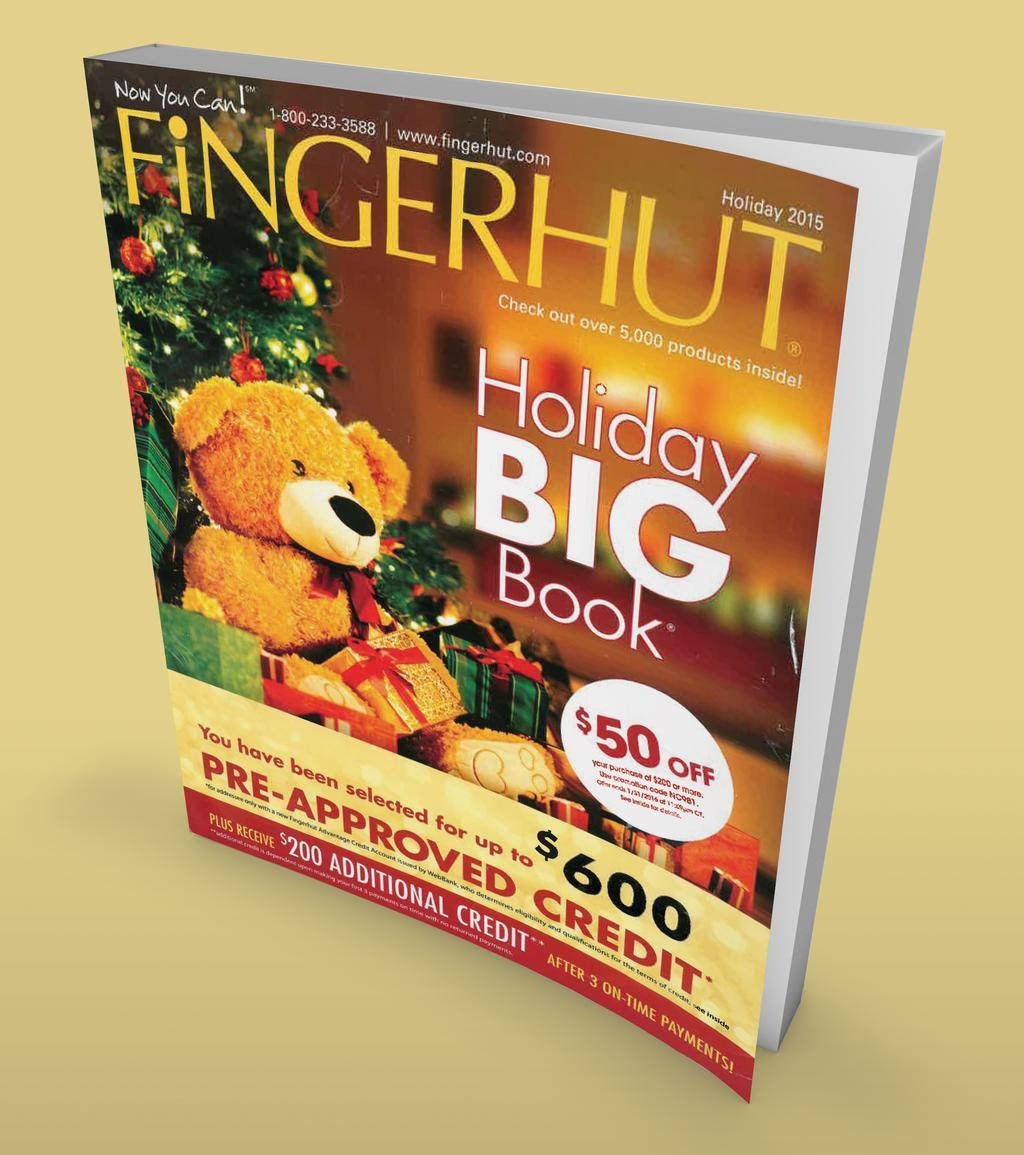
Fingerhut, at the time of acquisition, operated large warehouses totaling 3.5 million square feet and handled 22 million parcels annually.
Federated looked to incorporate the shipping network into their business.
They also started offering Fingerhut's financing services to other retailers.
Turnaround Attempt
By 2000, challenges emerged, including credit performance issues from the shift to higher-limit revolving credit in 1999, leading to up to $400 million in delinquencies.
Federated initiated restructuring to help fix the problems, reducing mailings to high-risk customers, lowering credit limits, and closing facilities like call centers in Tampa, FL, and Duluth, MN.
In 2000, they also changed out some of the key management and launched a Spanish-language site to hopefully grow revenue. Despite these efforts, sales plummeted 36% in the first nine months of 2001 (from $1.26 billion to $810 million).
Results
The turnaround failed, resulting in Federated's decision in January 2002 to sell Fingerhut after incurring significant losses.
This led to layoffs affecting thousands and the closure of distribution centers.
By July 2002, most assets, including the Fingerhut name, website, inventory, customer lists, and key facilities, were sold for reportedly under $500 million.
Once again, we learn that buying businesses and integrating them into your current business isn't always simple.
Like many deals I've written about, buyers can get swept up in frenzies (the Dot Com Bubble, in this case) and forget about the fundamentals of operating sound businesses with good unit economics.
🔑 Roll-ups, Horizontal HoldCos, and SMB acquisitions
My YouTube channel has a little bit of everything in the business buying world.
I talked with a guy who owns 9 companies in totally different industries.
And I also sat down with someone who rolled up multiple software companies in a very specific niche.
Plus I have an interview with a business owner who bought a small flooring business and grew it organically before selling it.
No matter what type of business you're looking to buy, I probably have a story for you. Check out the interviews below.

Have a great day,
Sieva
P.S. - Are you hiring? Get started with top global talent from Somewhere (I'm a customer and investor)
Disclaimer: nothing here is investment advice. Please do your own research. The information above is just for information and learning.

